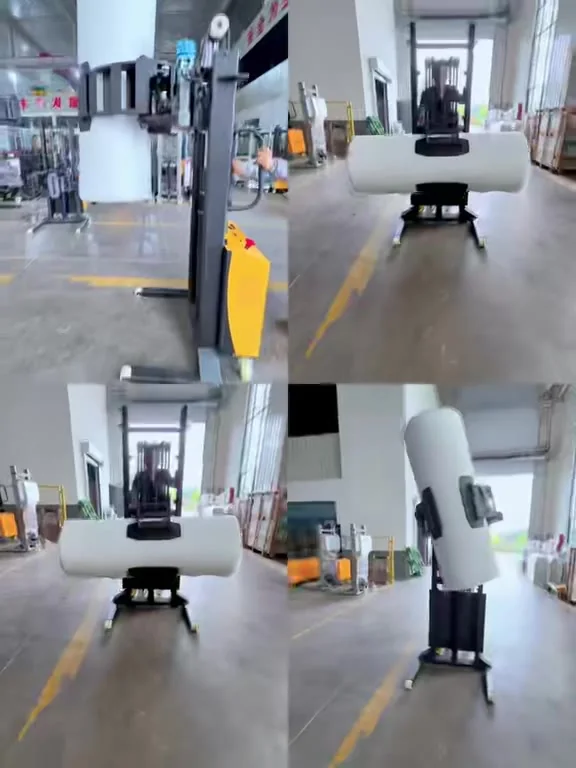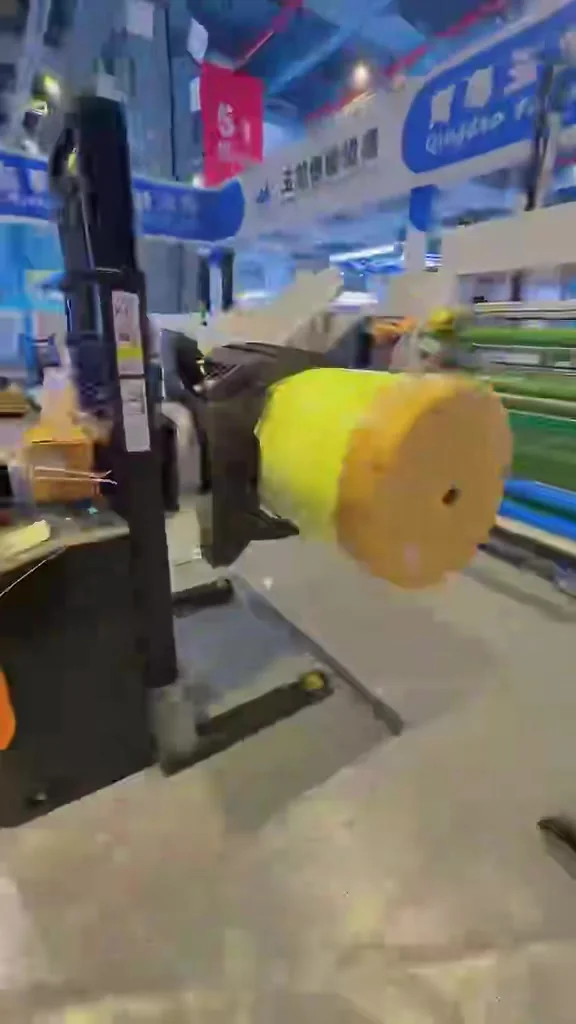
Grip, Tilt & Transport Rolls in the Workshop
See roll clamping and orientation changes for workshop transfer, with attention to material contact and controlled handling.
Video hosted on Google Drive. Playback depends on your network and the file sharing settings. Open original video
Protect the roll during movement.
Slipping, surface marking and edge damage are concerns when rolls move between storage and processing. Clamp contact, roll strength and the travel route need to be considered together.
Before selecting equipment or materials
Match the material, the operation and the site—not just a catalogue label. Use the checks below to describe the actual task.
Roll surface, hardness and acceptable contact positions.
Travel distance, turning space and any required rotation.
Floor condition, thresholds and the narrowest point along the route.
A handling method matched to the material.
The video presents clamping and roll movement. It is a starting point for discussing a roll handler, not evidence that every material can tolerate the same clamp pressure. Tell us whether you handle film, paper, fabric or another cylindrical load, and which part of the surface must be protected.
How can we reduce roll damage during transfer?
Start with the actual material and movement: review contact surfaces, gripping suitability, roll support and surrounding clearance. Equipment selection alone cannot guarantee damage-free handling; operating conditions and the final configuration also matter.